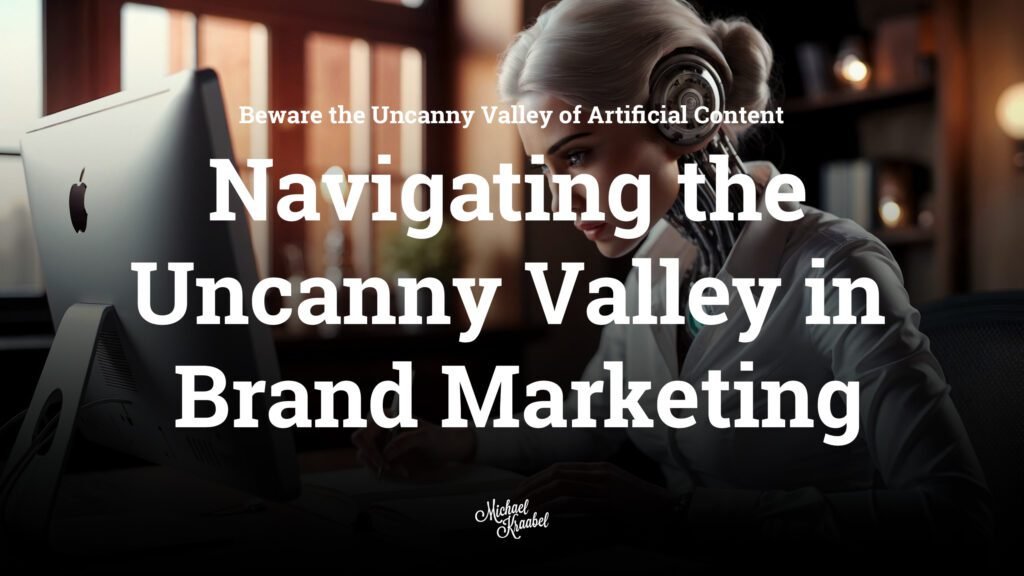
The digital canvas is constantly expanding, pushing the boundaries of what’s real and what’s rendered. As AI-generated images become astonishingly sophisticated, we're finding ourselves in a strange new territory, often described as the "uncanny valley." Navigating the Uncanny Valley: Psychological Impact of AI-Generated Images isn't just about spotting a fake; it’s about understanding the subtle, often unsettling, ways these hyper-realistic yet fundamentally artificial creations affect our minds, our perceptions, and even our relationships. This isn't just a technical curiosity; it's a profound psychological challenge for our increasingly AI-integrated world.
At a Glance: Understanding the Uncanny Valley and Its Impact
- What it is: The "uncanny valley" describes the eerie, uncomfortable feeling we get from human-like entities that are almost, but not quite, perfect.
- Why AI images trigger it: Minor imperfections in AI-generated faces (like misaligned eyes or unnatural textures) clash with our brain's expectations of a real human.
- Deeper psychological roots: It taps into ancient survival instincts, expectation violations, and even existential questions about what defines humanity.
- Impacts on well-being: Can lead to cognitive dissonance, anxiety, social skill atrophy, and difficulty distinguishing real from AI.
- Who's most vulnerable: Children, adolescents, individuals with existing mental health conditions, and the socially isolated.
- How to cope: Practice balanced AI integration, embrace digital wellness, and actively cultivate real-world social skills.
The Eerie Echo: What is the Uncanny Valley, Really?
Imagine seeing a human face that’s almost perfect, almost alive, but something feels… off. A shiver crawls down your spine. That subtle sense of unease, that almost-there quality, is the hallmark of the uncanny valley. The term, first coined by Japanese roboticist Masahiro Mori in 1970, describes a peculiar dip in our emotional response graph: as human-like entities (like robots or, more recently, AI-generated images) become increasingly realistic, our affinity for them rises, but then sharply plummets into revulsion or discomfort just before they achieve full, indistinguishable humanity.
Mori's insight wasn't just theoretical; it mapped a crucial psychological phenomenon. When something looks just real enough to fool us at first glance, but then reveals tiny, almost imperceptible flaws, our brains react. It's a fundamental disconnect between our expectations and the subtle reality presented, and it's a core reason why some AI faces can feel so unsettling.
The Digital Mirror: Why AI Images Fall into the Uncanny Valley
AI image generators have made incredible leaps, churning out photorealistic faces, landscapes, and creatures at will. Yet, despite their prowess, they frequently stumble into the uncanny valley, particularly when rendering human faces. It’s not necessarily about blatant errors, but rather a collection of subtle deviations that signal "not quite right" to our finely tuned human perception.
Imperfections That Break the Spell
The human brain is a master at recognizing faces, honed by millennia of social interaction. We pick up on nuanced cues, and AI images, even excellent ones, can miss these marks in ways that trigger our internal alarms:
- Subtle Deviations in Likeness: The most common culprit. This might be an ear that’s slightly too high, a jawline that’s a fraction too sharp, or hair that looks less like individual strands and more like a textured helmet. These minor structural discrepancies immediately put our brains on high alert.
- The Expectation vs. Reality Gap: Our minds subconsciously hold a vast library of human faces, built from countless real-world interactions. When an AI image approaches this ideal but falls short in minute ways, that gap between "looks real" and "feels real" creates cognitive dissonance, triggering unease. It's the moment your brain says, "Wait, something isn't right here."
The Eyes: Windows to the Soul, or Empty Stares?
Perhaps no feature is more critical to conveying life and emotion than the eyes. In AI-generated images, the eyes are often the first place the uncanny valley effect manifests most strongly:
- Misaligned Pupils or Unnatural Glossiness: Even a hair's breadth of misalignment can make a face seem vacant or unsettling. Too much or too little gloss can make eyes appear glassy, artificial, or hyper-real in an unnatural way.
- The Empty Gaze: AI eyes frequently lack the depth, sparkle, and intricate detail of a human iris. They might appear to stare blankly or without genuine focus, devoid of the subtle micro-expressions that convey thought and consciousness. This can make the face feel "soulless" or inanimate.
- Lack of Intricate Detail and Overly Smooth Textures: Real human eyes have unique patterns, blood vessels, and slight imperfections that add to their authenticity. AI can struggle to replicate this complexity, sometimes rendering eyes with textures that are too smooth, too perfect, or simply "plastic."
Emotional Expression: A Flat Facade
Human faces are constantly, subtly, expressing emotion. From the crinkle around the eyes to the set of the mouth, these expressions are incredibly complex and dynamic.
- Superficiality of Emotion: AI-generated faces often struggle with authentic emotional depth. They might portray a "happy" face, but it feels superficial, a mere imitation rather than a genuine expression. The underlying muscles don't quite align, or the gaze doesn't match the forced smile, creating a cold or deadpan appearance. This lack of genuine emotion can make an otherwise realistic face profoundly unsettling.
Symmetry and Skin: The Devil in the Details
Beyond the eyes and expressions, other fundamental elements contribute to the uncanny effect:
- Unnatural Symmetry: Real human faces are rarely perfectly symmetrical. Minor asymmetries are normal, even charming. AI often strives for perfect symmetry, which, ironically, can make a face look unnatural, artificial, or even grotesque. Our brains are wired to find perfect symmetry in living beings suspicious.
- Lack of Fine Details and Realistic Skin Textures: Real skin has pores, blemishes, tiny hairs, and subtle variations in color and texture. AI can sometimes render skin that is too smooth, too uniform, or possesses an unnatural sheen, making the person look like a mannequin rather than a living being. The absence of these granular details is a huge tell, disrupting our subconscious belief in the image's authenticity.
Recognizing these specific features isn't just an intellectual exercise; it helps you instinctively distinguish between what's real and what's rendered, a vital skill in a world increasingly saturated with AI-generated content.
Beyond the Visual: The Deep Psychological Roots of Discomfort
The uncanny valley isn't merely about visual glitches; it taps into deeper psychological fears and evolutionary programming. As AI systems become more prevalent, resembling human behavior and interaction more closely, the discomfort associated with the uncanny valley expands beyond just images, influencing our daily lives in profound ways.
Expectation Violation: The Brain's Glitch
When an AI system looks, acts, or sounds almost human, our brains automatically assign it human-like expectations. We anticipate a certain range of behaviors, emotional responses, and consistency. When the AI system then deviates from these expectations—perhaps a robot's perfectly synchronized movements are suddenly jarringly clumsy, or a virtual assistant offers a perfectly logical but emotionally tone-deaf response—it creates a significant expectation violation. This cognitive dissonance can trigger anxiety, unease, and a sense of "wrongness" because our mental models for interaction are suddenly broken.
Evolutionary Defense Mechanisms: A Threat to Survive
Some theories suggest the uncanny valley taps into ancient, deeply ingrained survival instincts. Our brains evolved to quickly identify and categorize threats. An entity that looks human but isn't quite right could be perceived as a sick human, a corpse, or a predatory mimic. In an evolutionary context, recognizing such an anomaly would be crucial for survival, activating a primitive defense mechanism that manifests as discomfort or even revulsion. It's a "better safe than sorry" reaction from our primal brain, warning us away from something potentially diseased or dangerous.
Identity Confusion: What Makes Us Human?
As AI becomes increasingly sophisticated, not just in appearance but in its ability to generate creative content, engage in complex conversations, and even simulate emotions, it can trigger a deeper, more existential form of anxiety. The lines blur, challenging our understanding of what constitutes consciousness, creativity, and unique humanity. If an AI can create a poem indistinguishable from a human's, or generate a face that's almost perfectly lifelike, where does that leave our sense of specialness? This blurring can lead to identity confusion and profound existential questions about our place in a world where machines can mimic our most cherished attributes. This is a significant aspect of the psychological impact, compelling us to consider how AI might influence our inner world and emotional landscape.
The Ripple Effect: AI's Impact on Mental Health and Social Bonds
Regular interaction with increasingly human-like AI systems, whether through images, chatbots, or virtual assistants, isn't just a fleeting experience; it can have long-term consequences for our mental health and social development. The subtle discomfort of the uncanny valley is merely a symptom of a larger shift in how we perceive and interact with the world.
Reshaping Human Relationships
Our capacity for deep, empathetic human connection is one of our most defining traits. AI's rise introduces new dynamics that could subtly erode these fundamental skills:
- Potential for Emotional Dependency: AI companions, designed to be endlessly patient, supportive, and non-judgmental, can become enticing substitutes for messy, challenging human relationships. This can lead to unhealthy emotional dependency, where individuals rely on AI for emotional validation or companionship, rather than engaging with real people.
- Social Skill Atrophy: Genuine human interaction requires nuanced communication, empathy, conflict resolution, and the ability to read non-verbal cues. If individuals spend more time interacting with predictable, algorithm-driven AI, they might experience an atrophy of these vital social skills, making real-world human interactions feel more difficult or less rewarding.
- Empathy Reduction: AI doesn't experience emotions in the human sense, nor does it require empathy from us. Over time, consistently interacting with entities that don't need or reciprocate empathy could subtly reduce our own capacity for it, making us less attuned to the complex emotional needs of other humans.
Shifting Thinking Patterns and Behaviors
The constant engagement with AI isn't just about who we talk to; it's about how we think, how we learn, and how we make decisions:
- Decreased Attention Spans: Many AI systems and platforms are designed for maximum engagement, using algorithms to constantly feed us novel, stimulating content. This perpetual digital stimulation can contribute to decreased attention spans and a reduced capacity for sustained focus on complex tasks that lack immediate gratification.
- Over-reliance on AI Recommendations: From choosing a movie to making financial decisions, AI is increasingly guiding our choices. While convenient, an over-reliance on AI recommendations can reduce confidence in independent decision-making, diminish critical thinking skills, and foster a passive approach to problem-solving.
- Reality-Testing Issues and Paranoia: As AI-generated content becomes indistinguishable from reality, distinguishing authentic human interaction from artificial engagement becomes increasingly challenging. This can lead to a pervasive sense of distrust, making individuals question the authenticity of online interactions or even real-world encounters. In extreme cases, this can contribute to paranoia or difficulties with reality testing, blurring the lines between what is genuine and what is fabricated.
Who Feels it Most? Vulnerable Populations
While the psychological impacts of AI and the uncanny valley can affect anyone, certain populations are more susceptible to experiencing these effects more intensely or negatively. Recognizing these groups is crucial for developing targeted support and guidance.
- Children and Adolescents: With still-developing brains, social cognition, and emotional regulation capabilities, children and adolescents are particularly vulnerable. Early and pervasive exposure to human-like AI, especially without proper guidance, could profoundly shape their understanding of human interaction, empathy, and even reality itself. Their capacity to distinguish between real and artificial is still forming, making them more prone to misinterpreting AI interactions.
- Individuals with Existing Mental Health Conditions: Those already grappling with anxiety, depression, social phobias, or other mental health conditions may find their symptoms exacerbated. For instance, someone with social anxiety might withdraw further into AI-mediated interactions, avoiding the perceived difficulties of human connection. Similarly, the unsettling nature of the uncanny valley could trigger or heighten existing anxieties or paranoid thoughts.
- Socially Isolated Individuals: People experiencing loneliness or social isolation are more likely to seek solace and companionship in AI systems. While AI can offer a temporary sense of connection, relying too heavily on these artificial relationships can prevent individuals from seeking out and nurturing genuine human bonds, potentially deepening their isolation in the long run. The predictability and lack of emotional demand from AI can be a seductive but ultimately unfulfilling substitute.
Navigating the AI Landscape: Strategies for Psychological Well-being
The integration of AI into our lives is inevitable, but its psychological impact doesn't have to be overwhelmingly negative. By proactively adopting certain practices, you can maintain your well-being and ensure AI enhances, rather than detracts from, your human experience.
1. Cultivate Balanced Integration, Not Replacement
The goal isn't to shun AI, but to integrate it thoughtfully into your life. View AI as a tool, an assistant, or a creative partner, not a friend or a therapist.
- Set Clear Boundaries: Establish explicit boundaries between AI-assisted activities and human-only interactions. For instance, use AI for quick information retrieval or task automation, but commit to in-person conversations for sharing personal feelings or deep discussions.
- Mindful Use of AI Companions: If you engage with AI chatbots or companions, be mindful of the nature of your interaction. Understand that they are algorithms designed to simulate interaction, not genuine sentient beings. Use them for specific purposes, like brainstorming or practicing a language, rather than relying on them for core emotional support.
- Prioritize Human Connection: Actively seek out and prioritize real-world human interactions. Schedule time with friends and family, join community groups, or volunteer. These experiences are irreplaceable for nurturing empathy, practicing complex social skills, and building resilient support networks.
2. Embrace Digital Wellness Practices
Just as physical health requires attention, so does digital well-being. Regular practices can help you maintain a healthy relationship with technology.
- Regular Digital Detox Periods: Periodically disconnect from all digital devices and AI systems. Spend time in nature, engage in hobbies, or simply enjoy quiet reflection. These detox periods can help reset your attention span, reduce digital fatigue, and re-sensitize you to the nuances of the real world.
- Monitor Your Screen Time: Be aware of how much time you spend interacting with AI systems, whether it’s scrolling through AI-generated content or engaging with virtual assistants. Many devices offer tools to track screen time; use them to gain insight and make conscious choices about your usage.
- Critically Evaluate AI Content: Develop a critical eye for AI-generated images, text, and media. Understand the tell-tale signs of AI creation (as discussed earlier with the uncanny valley's visual cues). Question the source, context, and intent behind the content you consume. This discernment helps you differentiate between authentic and artificial, safeguarding your perception of reality.
3. Actively Develop Social Skills
In an increasingly AI-centric world, strong human social skills become even more valuable. Treat them as muscles that need regular exercise.
- Practice Face-to-Face Communication: Make an effort to engage in direct, unmediated conversations. Pay attention to non-verbal cues, practice active listening, and learn to navigate the complexities of real-time human interaction. These skills are vital for deep connections that AI cannot replicate.
- Cultivate Empathy: Read fiction, watch documentaries, and engage in diverse perspectives to broaden your understanding of human experiences. Practice putting yourself in others' shoes. Empathy is the bedrock of meaningful relationships and helps distinguish human connection from AI simulation.
- Seek Feedback on Your Interactions: Ask trusted friends or mentors for feedback on your communication style and social interactions. Are you present in conversations? Do you listen effectively? Constructive feedback can help you refine your social intelligence.
The Horizon: What We Still Need to Understand
The uncanny valley and the broader psychological impacts of AI are rapidly evolving fields. While we've made significant strides in understanding immediate effects, the long-term implications are still emerging.
- Long-Term Impact of Early AI Exposure: We need ongoing investigation into how early exposure to human-like AI systems affects children's cognitive development, their capacity for empathy, and their social skill acquisition over decades. What might be the "new normal" for a generation raised with sophisticated AI companions?
- Human Adaptation Mechanisms: How will humanity adapt to increasing AI interaction? Will our brains evolve new ways to distinguish between real and artificial? Will our emotional responses to AI shift over time, perhaps becoming desensitized to the uncanny valley effect?
- Cultural Variations in Psychological Impact: The uncanny valley effect, and indeed responses to AI, can vary across cultures. What is considered "unsettling" in one culture might be acceptable in another due to differing aesthetic norms, cultural beliefs about personhood, or historical relationships with technology. Understanding these variations is crucial for designing universally appealing and psychologically safe AI.
As AI continues its rapid ascent, it's not enough to simply marvel at its capabilities. We must actively engage with its psychological ramifications, armed with knowledge, critical thinking, and a steadfast commitment to preserving the richness of human experience. The uncanny valley isn't just a glitch in the matrix; it's a mirror reflecting our own humanity, prompting us to define what truly makes us alive.